Torn between pitching a $20 tent site and booking a $200 safari-style glamping tent? You’re not alone. The glamping vs camping debate trips up plenty of travelers because the sticker prices don’t tell the whole story. A tent site looks cheap until you add up the gear in your trunk, and a glamping rate looks steep until you realize you need to buy absolutely nothing.
The truth is that the cheaper option depends on your trip length, the season, and how much gear you already own. In this guide, we break down the real cost difference at a glance, show you exactly when camping wins on budget and when glamping justifies its higher nightly rate, and expose the hidden costs both sides tend to hide from you. We’ll also share booking tactics that shave serious money off either option, the comfort and skill trade-offs worth weighing, and a simple way to pick the right fit for your next trip.
Glamping vs Camping: The Real Cost Difference at a Glance
On paper, the gap is huge. A basic campground tent site in the US typically runs $15-$40 per night, while glamping tents and cabins typically cost $100-$300 per night. That’s a difference of anywhere from $60 to $285 every single night, so it’s no wonder travelers assume camping is always the budget pick.
But that nightly rate comparison is misleading, because the two options price very different things. Glamping’s higher rate bundles in the expensive stuff: a real bed with linens, lighting, often heating, and frequently a private bathroom. You show up with a duffel bag and you’re done. Camping, on the other hand, shifts the cost from the nightly rate to your gear closet.
The gear math changes everything
A starter camping setup — tent, sleeping bags, sleeping pads, a camp stove, a cooler and the basics — costs roughly $200-$500 before you spend a single night outdoors. That’s a one-time hit, though, and it changes the math over time. Once you own the gear, your per-night cost drops back to just the campsite fee.
The break-even point arrives after roughly 5-10 camping trips. Camp five weekends at $25 a night and you’ve already saved more than the low end of that gear investment compared to booking glamping units. Camp fewer times than that, and the gear you bought is essentially sitting in your garage as expensive storage. So before you commit to either side, ask yourself honestly how many nights per year you’ll actually spend outdoors — that single number decides which option comes out cheaper for you.
When Camping Wins on Budget
Camping is the clear budget winner in a few specific situations, and trip length is the biggest one. The longer you stay, the more the nightly gap between a campsite and a glamping unit compounds. A five-night trip can save you enough compared to booking a glamping tent or cabin to fund a meaningful chunk of your next vacation, and the savings only grow from there.
Your gear situation matters just as much. If you already own a tent, sleeping bags and a stove — or a friend or family member is happy to lend them — you skip the startup cost entirely, and camping becomes almost unbeatable on price. Borrowing gear for a first trip is a smart way to test whether camping suits you before spending anything. Shoulder season helps too: the same campgrounds that fill up and price at the top of their range in summer often have quieter, cheaper sites in the milder months. Finally, camping rewards travelers who are comfortable cooking their own meals on a camp stove, since you’re not paying restaurant prices three times a day.
Camping tends to fit these situations best:
- Road trips with a trunk to spare. If you’re already driving, hauling a tent, cooler and stove costs you nothing extra in baggage fees, unlike fly-in travelers who’d need to rent or buy gear on arrival.
- Dog-friendly travel. Many campgrounds welcome pets for little or no extra cost, while glamping properties with linens, rugs and shared spaces often restrict or surcharge them.
- Groups with multiple tents. A family or friend group can split a single campsite between two small tents, cutting the per-person nightly cost even further below the site’s stated rate.
- Travelers who value flexibility. With your own gear, you can change destinations mid-trip without losing a prepaid glamping reservation, since campsite fees are low enough that one unused night doesn’t sting.
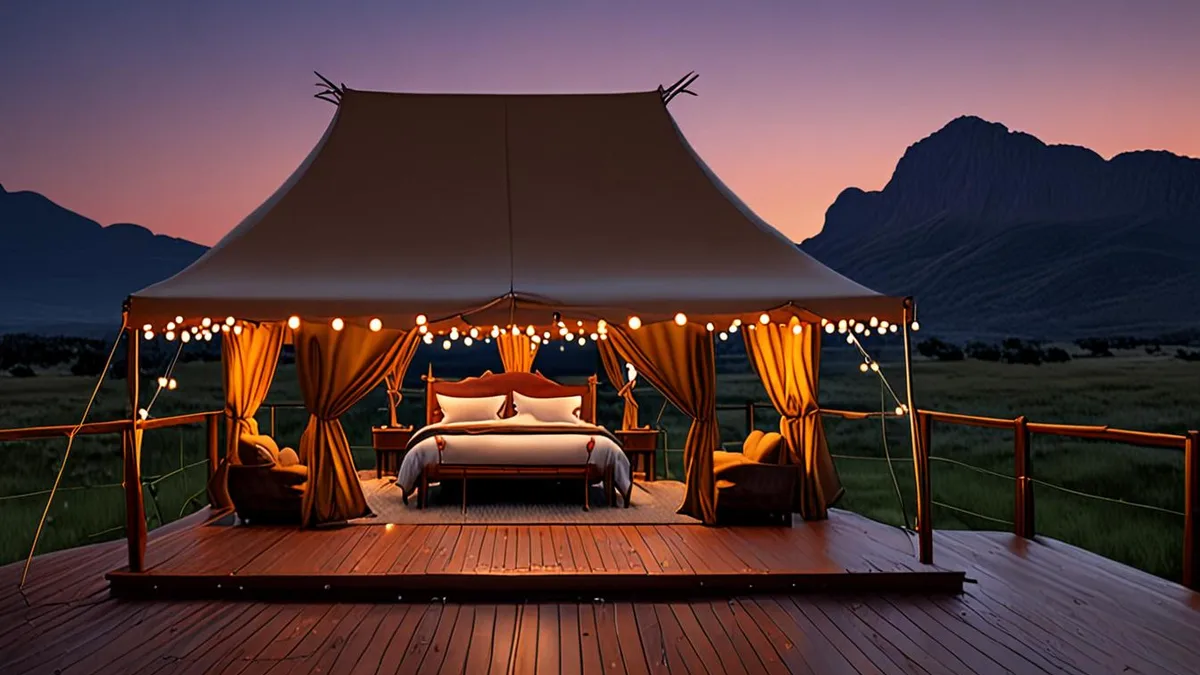
When Glamping Justifies the Higher Nightly Rate
Glamping earns its $100-$300 nightly rate in situations where the alternative is actually more expensive or more miserable. The clearest case is the short trip: for a getaway of just 1-2 nights, booking a glamping unit replaces buying any gear at all. Instead of dropping $200-$500 on a full kit you’ll use twice a year, you pay a single rate that covers the bed, the linens and the roof. For a one-nighter, glamping frequently comes out cheaper than camping once gear is counted.
Weather and experience level matter too. On a cold-weather trip or your first time outdoors, a real bed and heating dramatically reduce the risk of a miserable, shivering night that ruins the whole getaway. And for couples or families, the math gets friendlier fast: splitting a $150-$300 unit between two or four people often works out to less per person than booking two separate hotel rooms or cabins for the same dates.
Glamping also makes sense in these situations:
- Fly-in trips. When you’re boarding a plane rather than loading a car, hauling bulky outdoor equipment means baggage fees or rentals — a glamping unit lets you travel with just a suitcase.
- City-based travelers without a car. If you’re reaching the outdoors by train, rideshare or a short rental, there’s no trunk to fill, and a fully equipped unit removes the need to buy gear for a single weekend.
- Milestone celebrations. An anniversary or birthday trip justifies spending more per night for a deck, a proper mattress and a view — things a tent site can’t match at any price.
- Recovery nights mid-road-trip. Booking one glamping night partway through a longer camping trip gives everyone a hot shower and a real bed without abandoning the cheaper plan for the rest of the journey.
Hidden Costs Each Option Hides From You
Both options look simple on a booking page, but the sticker price rarely tells the whole story. Before you pick one, add up the extras that tend to sneak onto the final bill.
Camping has a short list of add-ons that catch most first-timers off guard. If you rent a sleeping pad or borrow gear locally, that rental fee stacks onto your nightly rate. Ice for the cooler, usually bought every day or two, quietly adds up on longer trips. Firewood is another common one, typically running $5-$10 per bundle at camp stores or roadside stands. And some parks charge day-use add-ons on top of your site fee, so check what the nightly rate actually includes before you book.
The cost of gear that doesn’t last
Depreciation is the hidden cost nobody mentions at checkout. Cheap tents and sleeping bags often need replacing after 2-3 seasons of regular use, which means your real cost per trip is higher than the price tag suggested. Spending a bit more upfront on durable gear usually pays for itself if you camp often, while bargain-basement equipment makes sense only if you go once or twice a year.
Food is where camping tends to win back some money. Since you cook on a camp stove, your meals cost a fraction of what you’d spend eating out. Glamping flips that equation: many sites sit near restaurants or include food options that push your daily budget up. If your glamping trip turns into three restaurant meals a day, the nightly rate is only the beginning. Plan your food approach before you book, not after you arrive hungry.
How to Book Each Option at the Best Price
Getting a good price on either option is mostly about timing. Campsites and glamping units both reward early planning, and both punish last-minute weekend bookings. Here’s how to work the system, whether you’re pitching a tent or booking a safari-style canvas lodge. A little patience helps too, especially if you’re comfortable watching rates the way you’d watch for the right moment to refinance your home loan — the same principles of timing and preparation apply.
- Reserve popular campgrounds 3-6 months ahead. This is especially important for June-August peak dates, when the best sites at well-known parks get claimed within days of the booking window opening. If you want a specific campground on a summer weekend, set a calendar reminder for the day reservations open and be logged in early.
- Book glamping units 2-3 months ahead. Glamping inventory is much smaller than campground inventory, so popular units fill faster than you’d expect. Midweek stays often cost noticeably less than weekends, so shifting your dates by even one night can make a real dent in the rate.
- Target shoulder-season months. May, September and early October offer the best price-to-comfort ratio of the year. Peak season (June-August) prices run 30-50% higher than shoulder season, and you often get quieter campgrounds and more pleasant temperatures as a bonus.
- Watch for cancellation slots. Campsite and glamping cancellations often appear 1-2 weeks before arrival, when people finalize plans and release bookings they no longer need. If you’re flexible, checking listings regularly in that window can land you a prime site at the standard rate.
One final tip: whichever option you choose, read the cancellation policy before you pay. Flexible rates cost slightly more but protect you if weather or work plans change, and on a multi-night trip that flexibility is often worth more than the small upfront saving. It also pays to compare a few booking platforms before committing, since the same unit or campsite can appear at different rates depending on where you look. Check the current details directly with the campground or glamping operator before you book, as policies and availability change often.
Comfort and Skill Trade-Offs to Weigh Before Deciding
Money isn’t the only factor here. The right choice also depends on how comfortable you are outdoors and how much friction you want in your trip. A cheap campsite can turn expensive fast if the experience makes you miserable.
Camping asks more of you
Tent camping demands real skills. You need to pitch a tent confidently, layer properly for nights that often sit in the 40-60°F range, and handle basic camp cooking without a kitchen. None of these are hard to learn, but your first trip is not the time to figure them out. Practice the tent setup in your backyard first, and do a dry run of your camp stove meal before you depend on it.
Weather tolerance matters more than most people admit. Rain turns tent camping costly if you retreat to paid lodging mid-trip, since you’ll eat the campsite fee and pay for a room on top of it. If the forecast looks rough and you have no backup plan, that budget campsite becomes the priciest option on the table.
Glamping trades skills for structure. You get a real bed and no setup work, but you’re locked into fixed check-in times and far less site flexibility. You can’t shift your pitch to a shadier spot or leave a day early without dealing with booking policies.
If you’re traveling with kids or you’re a first-timer, start with one glamping night before committing to gear purchases. It’s a low-risk way to find out how your family handles sleeping outdoors, and it can save you from buying a full starter setup you only use once. Borrow equipment from a friend for a practice night instead, and you’ll know whether tent camping fits your family before any money leaves your wallet.
Choosing the Right Fit for Your Next Trip
So which option actually costs less once you count everything? For most travelers, it comes down to trip length and gear. Camping wins on long stays, owned gear and shoulder-season dates, with tent sites at $15-$40 per night. Glamping wins on short trips, no-gear travel and shared $100-$300 units, especially when a group splits the cost.
The deciding factors are trip length, season and how much comfort you need outdoors. If you can borrow equipment and stay several nights, a tent trip is usually the cheaper choice. If you’re heading out for a night or two with no gear, glamping often costs less than outfitting yourself from scratch. Which option fits your budget? Tell us in the comments or share this article with a friend who’s planning a trip.